Quick answer
When your utility warns of a possible Public Safety Power Shutoff (PG&E aims for alerts about 48 hours and 24 hours ahead and again just before), charge your power station and devices, freeze water, fill prescriptions and fuel the car. Plug the fridge and medical devices into the station so it takes over automatically. Shutoffs often last a day or more because lines must be inspected before power returns.
What a PSPS is
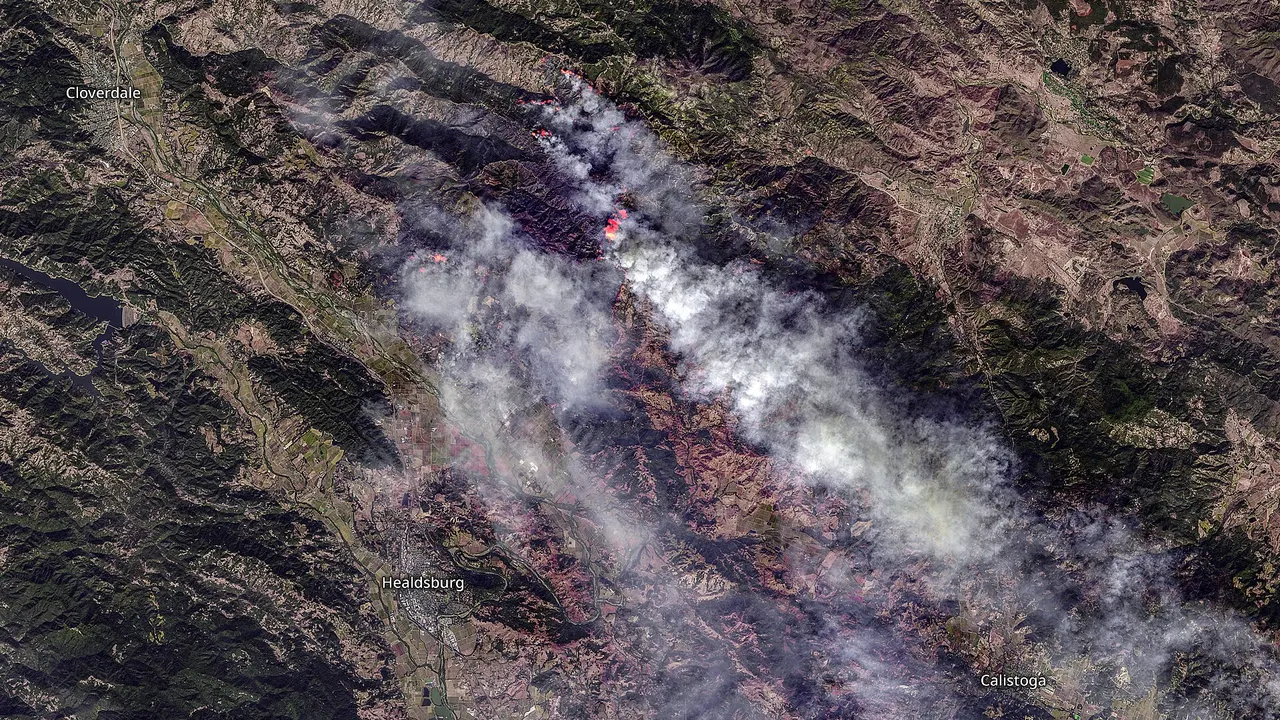
During high winds, low humidity and dry vegetation, utilities in California and other western states may turn off lines in high fire risk areas to keep their equipment from sparking a wildfire. PG&E carried out 6 PSPS events in 2024 and 4 in 2025, according to its CPUC briefing. In Southern California, SCE de-energized more than 500,000 customer accounts across two January 2025 Santa Ana wind periods, per a CPUC citation.
The notice timeline
| Notice | What to do |
|---|---|
| About 48 hours (watch) | Charge the power station, phones and power banks; refill prescriptions; fuel the car; check your medical plan |
| About 24 hours | Freeze water bottles, turn the fridge colder, plug the fridge and medical devices into the station |
| Just before shutoff | Open the garage door manually if needed, park the car facing out, set up lanterns |
| During | Keep the fridge closed, run critical loads, monitor updates by radio or phone |
| After weather passes | Crews patrol lines before re-energizing; restoration can take hours to a day or more |
PSPS checklist
PSPS checklist
- Update your contact info with your utility and opt in to PSPS alerts
- Enroll in Medical Baseline or your utility's critical care list if you use powered medical equipment
- Size and charge a power station for the fridge, CPAP or medical devices, Wi-Fi and lights
- Keep a 350W solar panel for multi-day shutoffs
- Store 3 days of water and no-cook food
- Know how to open your electric garage door and gate manually
- Keep the car at least half full; gas pumps may be off too
- Plan where you would go if the shutoff runs long
Backup power for a shutoff
| Load (typical watts) | Elite 100 V2 (1,024Wh) | Elite 200 V2 (2,080Wh) | Elite 300 (3,014Wh) |
|---|---|---|---|
| Fridge, average (58W) | 15 hr | 30 hr | 44 hr |
| CPAP with humidifier (80W) | 11 hr | 22 hr | 32 hr |
| Wi-Fi + phones + lights (40W) | 22 hr | 44 hr | 64 hr |
| Fans in hot weather (50W) | 17 hr | 35 hr | 51 hr |
PSPS events often happen in warm, dry, windy weather, so heat is not the issue; keeping food and medicine cold, devices charged and fans running is. Solar recharging works well in the clear skies typical of PSPS days.
Multi-day shutoffs
BLUETTI 350W Solar Panel
PSPS days are often sunny. A 350W panel refills a station during the day so it can carry the fridge again overnight.
See it at BLUETTIUtility battery programs
PG&E and SCE offer backup battery programs for some eligible medical and low-income customers. Check eligibility early, before fire season.
Stay somewhere with power
Shutoff expected to run long?
Hotels outside the shutoff area keep the lights and air conditioning on. Book early with free cancellation in case the shutoff is called off.
Our picks for this outage
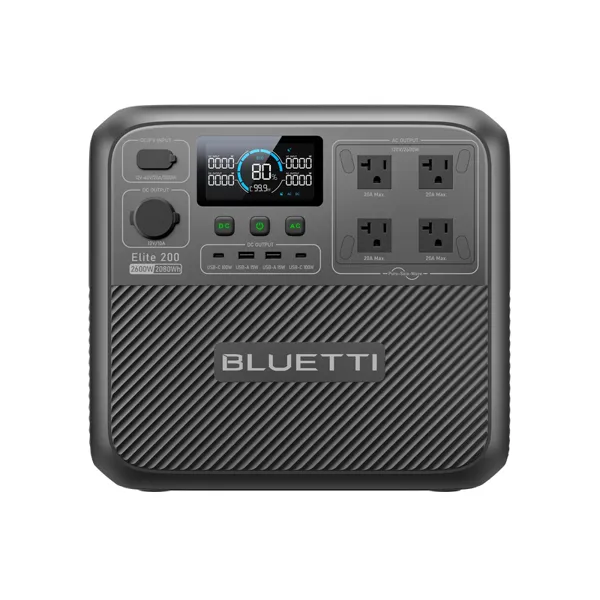
BLUETTI Elite 200 V2
Enough capacity to keep a refrigerator, furnace blower or sump pump going through a long night.
2,080Wh LiFePO4 battery · 2,600W output, 3,900W lifting mode
See it at BLUETTI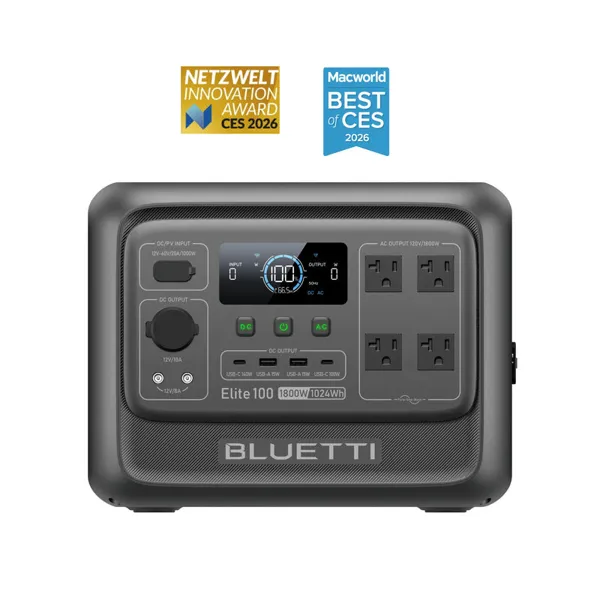
BLUETTI Elite 100 V2
The best all-rounder for most outages: CPAP, router, lights, phones and short fridge runs, quiet enough for a bedroom.
1,024Wh LiFePO4 battery · 1,800W output, 2,700W lifting mode
See it at BLUETTI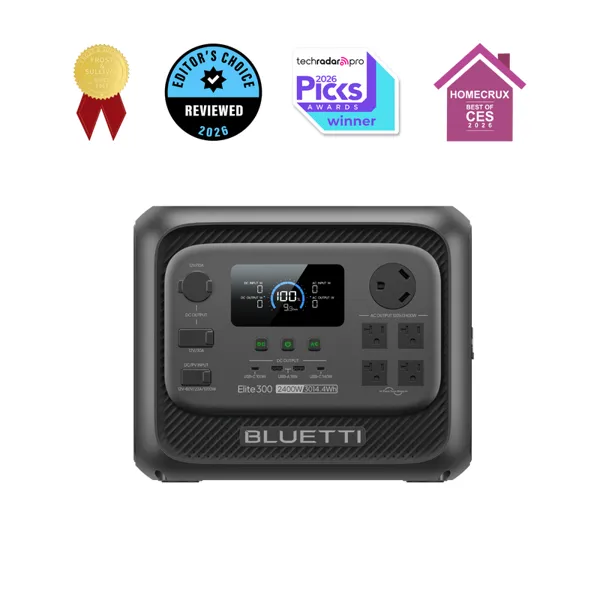
BLUETTI Elite 300
3kWh in a 2kWh size. Runs the fridge, lights, furnace blower and phones through a full day and night.
3,014Wh LiFePO4 battery · 2,400W output, 4,800W lifting mode
See it at BLUETTI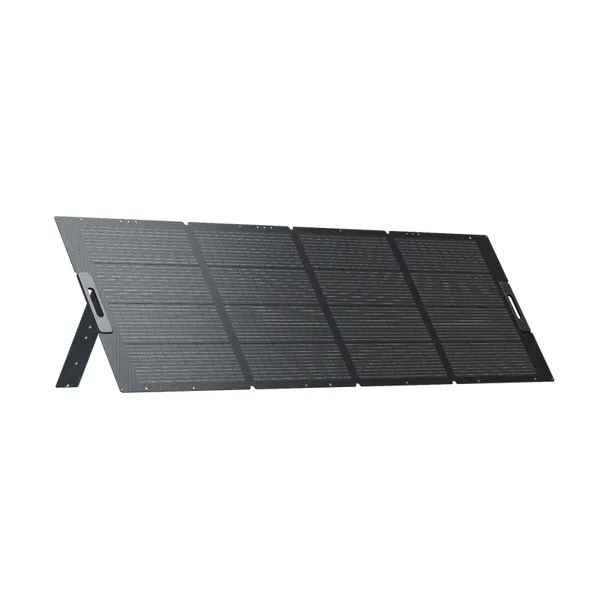
BLUETTI 350W Solar Panel
Refills a power station on sunny days between storms, which matters when restoration takes days.
350W folding solar panel · Recharges a BLUETTI station when the grid stays down
See it at BLUETTITreva 10 in Battery Fan
Battery fan for a heat wave outage. Runs for hours on D cells or a power station.
Check price on AmazonRechargeable LED Headlamp
Hands-free light that recharges from any power station USB port.
Check price on AmazonAnker Zolo 20,000mAh Power Bank
Pocket power for phones on the go or at a warming center.
Check price on AmazonSources
FAQ
How much notice do you get before a PSPS?
PG&E aims to alert customers about 48 hours and 24 hours ahead and again just before power is turned off, though fast-changing weather can shorten notice.
How long does a Public Safety Power Shutoff last?
Often a day or more. After the wind dies down, crews must inspect lines before power is restored.
What size power station do I need for a PSPS?
About 2kWh keeps a fridge and a CPAP running overnight. Add a solar panel for shutoffs that last more than a day.