Quick answer
72 hours out: charge your power station and phones, test CO alarms and fill prescriptions. 48 hours out: stock water, food and fuel, and clear gutters and storm drains. 24 hours out: freeze water bottles, set the fridge colder, and plug the fridge or CPAP into the station so it takes over the moment power drops. Plan for at least 72 hours without power.
Why nor'easters knock out power
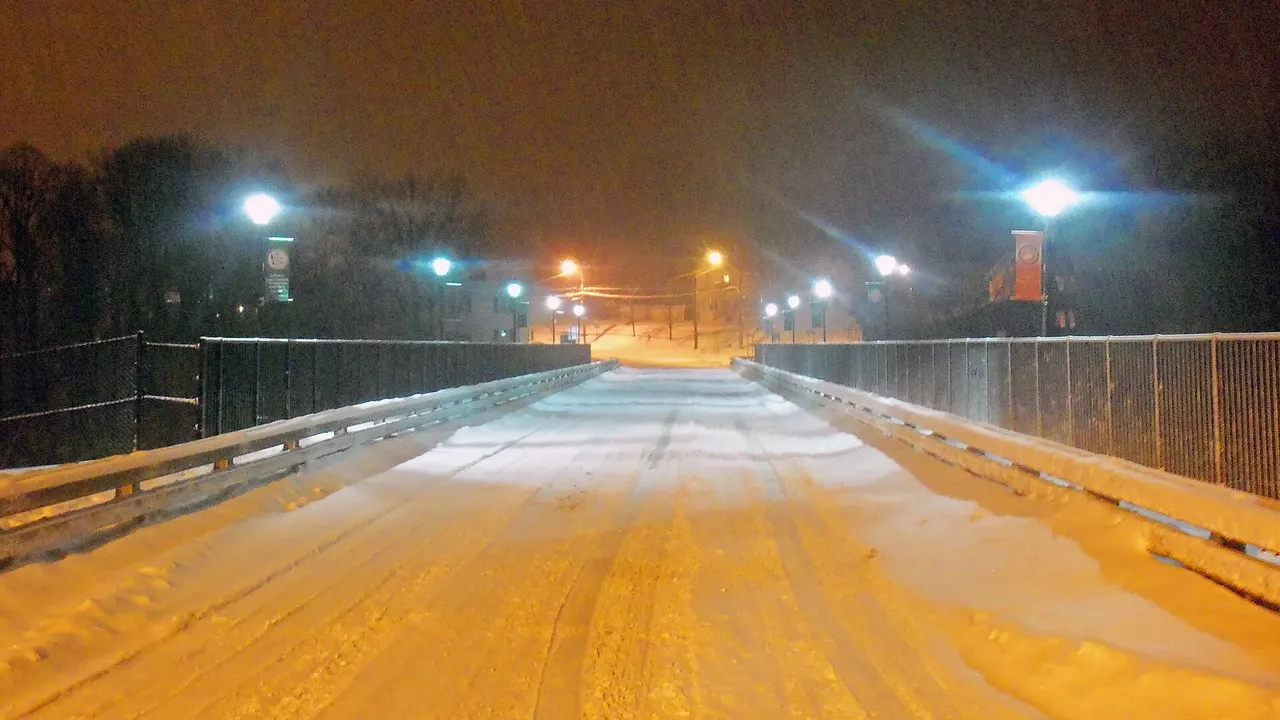
The National Weather Service describes nor'easters as East Coast storms named for their strong northeast winds, most frequent and most severe from September through April. Three things take down lines: heavy, wet snow that loads branches, gusts that snap those branches, and coastal flooding that reaches substations and underground equipment.
This winter matters more than usual. NOAA's 2026-27 Winter Outlook favors wetter than average conditions along the Eastern Seaboard under a strong El Niño, a pattern that tends to feed storms tracking up the coast.
72 hours out
72 hours
- Charge the power station to 100% and test it with the fridge or CPAP for 10 minutes
- Charge phones, power banks, headlamps and laptops
- Test smoke and CO alarms; put fresh batteries in battery-only units
- Refill prescriptions and medical supplies for at least a week
- Sign up for your utility's outage texts and save the outage number
- Locate the water main and know how to shut it off
48 hours out
48 hours
- Stock at least 3 days of water (1 gallon per person per day) and food that needs no cooking
- Fill the car's gas tank and generator fuel cans (store outside the house)
- Clear gutters and storm drains so meltwater can move
- Bring in or tie down anything the wind can throw
- Move the car out from under large trees
- Pick up hand warmers, a 10°F sleeping bag and propane for an indoor-rated heater if needed
24 hours out
24 hours
- Turn the fridge and freezer to their coldest settings and freeze water bottles
- Plug the fridge, CPAP or router into the power station so it switches over automatically
- Fill a bathtub for flushing water
- Put a NOAA weather radio on and a lantern in each main room
- Set the thermostat a few degrees warmer to bank heat in the house
- Coastal flood zone? Know your evacuation route and where you would stay
What to back up, in order
| Priority | Device | Typical draw | Good station |
|---|---|---|---|
| 1 | CPAP or medical device | 30 to 100W | Elite 100 V2 |
| 2 | Gas furnace blower | 300 to 800W | Elite 200 V2 or Elite 300 |
| 3 | Refrigerator | 40 to 75W average | FridgePower or Elite 200 V2 |
| 4 | Wi-Fi, phones, lights | 20 to 60W total | Any station |
| 5 | Sump pump (coastal or basement homes) | about 800W running | Elite 200 V2 or AC200L |
Size the battery for priority 1 through 4 and you have a comfortable outage. See our backup power sizing guide for the full math.
If you have a gas furnace
BLUETTI Elite 200 V2
Covers the furnace blower overnight and the fridge, so the house stays above 50°F and the food stays cold.
See it at BLUETTIDuring the outage
- Report the outage once, then keep the phone for emergencies.
- Stay at least 30 feet from downed lines and assume they are live.
- Clear snow from furnace and dryer vents and from around the generator, if you use one outdoors.
- Keep the fridge closed. A closed fridge stays safe about 4 hours, a full freezer about 48 hours.
- Check on neighbors who live alone or rely on medical equipment.
Generators stay outside
CPSC says to run portable generators outdoors only, at least 20 feet from the house, never in a garage or on a porch. Nearly 100 people die each year from generator carbon monoxide.
Our picks for this outage
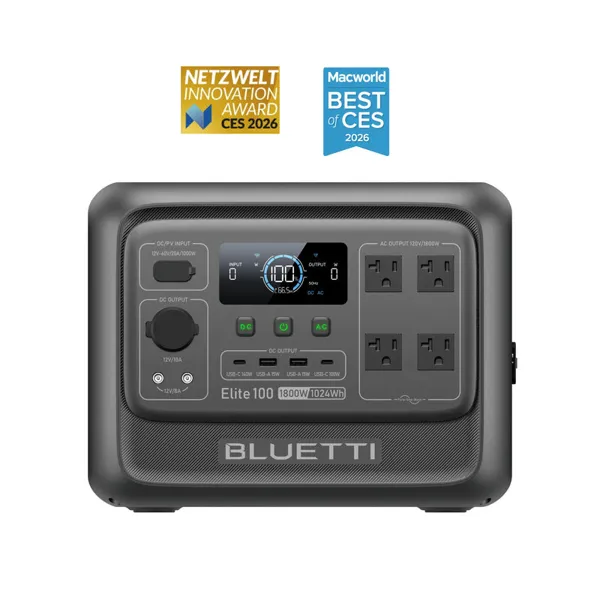
BLUETTI Elite 100 V2
The best all-rounder for most outages: CPAP, router, lights, phones and short fridge runs, quiet enough for a bedroom.
1,024Wh LiFePO4 battery · 1,800W output, 2,700W lifting mode
See it at BLUETTI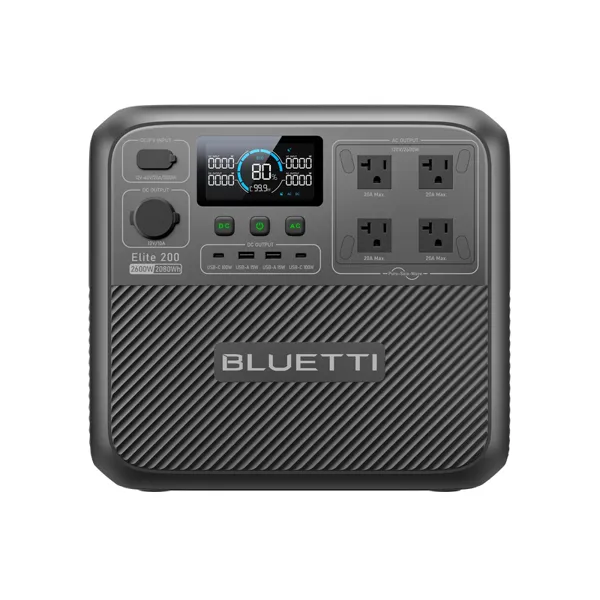
BLUETTI Elite 200 V2
Enough capacity to keep a refrigerator, furnace blower or sump pump going through a long night.
2,080Wh LiFePO4 battery · 2,600W output, 3,900W lifting mode
See it at BLUETTI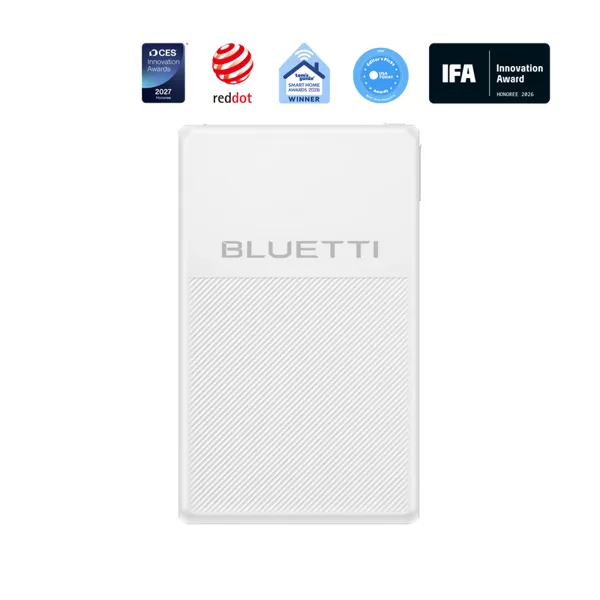
BLUETTI FridgePower
Built for one job: the fridge switches to battery the moment the grid drops, with no electrician.
2,016Wh LiFePO4 battery · 1,800W output, 3,600W surge
See it at BLUETTIMidland WR120B NOAA Weather Radio
SAME-coded NOAA alerts with battery backup. Wakes you for warnings.
Check price on AmazonLichamp LED Camping Lantern, 4 pack
One lantern per room, so nobody reaches for a candle.
Check price on AmazonKidde Battery Carbon Monoxide Alarm
Battery CO alarm that keeps working when the power is out. One per sleeping area.
Check price on AmazonHotHands Hand Warmers, 40 pairs
Air-activated heat for pockets, gloves and sleeping bags. No fuel, no fumes.
Check price on AmazonTrue Temper 18 in Snow Shovel/Pusher
Clear the generator spot, the furnace exhaust and your exits.
Check price on AmazonSources
FAQ
How long do nor'easter power outages last?
Most are restored within a day or two, but heavy wet snow and coastal flooding can stretch outages to several days in hard-hit areas. Plan for at least 72 hours.
What size power station do I need for a nor'easter?
About 1kWh covers a CPAP, Wi-Fi, lights and phones overnight. 2 to 3kWh adds the fridge and a gas furnace blower.
When is nor'easter season?
Nor'easters can happen any time, but the NWS says they are most frequent and most severe from September through April.