Quick answer
Pick one interior room, close it off, and gather everyone there in layers. If you have a gas furnace, a 2kWh power station can run its blower for hours, which keeps the whole house warm. On battery, heat people with heated throws instead of rooms with space heaters. For fuel-burning heat, use only indoor-rated heaters with a battery CO alarm, and never use an oven, grill or generator indoors.
Make one warm room
- Choose an interior room with few windows, ideally on the sunny side and on a lower floor.
- Close the door and hang a blanket over the doorway. Cover windows with blankets or mylar sheets at night; open them on the sunny side by day.
- Put down rugs and sleep off the floor. Share the room: people and pets add real heat.
- Dress in layers, wear a hat indoors, and use 10°F sleeping bags at night.
Keep the furnace running on battery
Gas usually keeps flowing in an outage. The furnace only needs a few hundred watts for its blower and controls. With a transfer switch or inlet installed by an electrician, a 2 to 3kWh station can run it for most of a night. Details and runtimes are in can a power station run a gas furnace.
| Heat source | Power needed | How long on 2kWh (Elite 200 V2) | Safety |
|---|---|---|---|
| Gas furnace blower (500W at 30 to 50% duty) | 150 to 250W average | 7.1 hr to 12 hr | Needs transfer switch or inlet |
| Heated throw or electric blanket | about 100W | about 18 hr | Safe, efficient |
| 1,500W space heater on high | 1,500W | about 1.2 hr | Wall or station only, never a power strip |
| Indoor-rated propane heater | None | Limited by propane | CO alarm, ventilation, never while sleeping |
Battery-friendly warmth
Sunbeam Heated Throw
Heats the person directly for hours on a power station. Use it for sleeping instead of a space heater.
Check price on AmazonNever use these to heat your home
- Gas ovens or stovetops
- Charcoal or gas grills, camp stoves
- Generators, in the house, basement or garage, even with doors open
- Outdoor-only propane heaters (patio and construction heaters)
CO kills fast and quietly
CPSC warns that carbon monoxide from generators can make people unconscious before they notice symptoms. Put battery CO alarms on every level and outside sleeping areas, and test them before the storm.
Non-negotiable
Kidde Battery Carbon Monoxide Alarm
A battery-powered CO alarm keeps working when the power is out, which is when you need it most.
Check price on AmazonHow long will the house stay warm?
A tight, well-insulated house might lose only a few degrees in the first several hours, while a drafty older house can drop into the 40s overnight in a deep freeze. Bank heat before the storm by setting the thermostat a few degrees higher, and watch the temperature with a WiFi thermometer that alerts your phone. If the house heads toward 40°F and the outage will last, protect your pipes and consider a warming center or a hotel with power.
Stay-warm checklist
- Pick and prepare the warm room before the storm
- Install battery CO alarms and test them
- Have an electrician add a furnace transfer switch or inlet
- Charge the power station and store propane outside
- Lay out sleeping bags, hats, hand warmers and heated throws
- Know your nearest warming center
Our picks for this outage
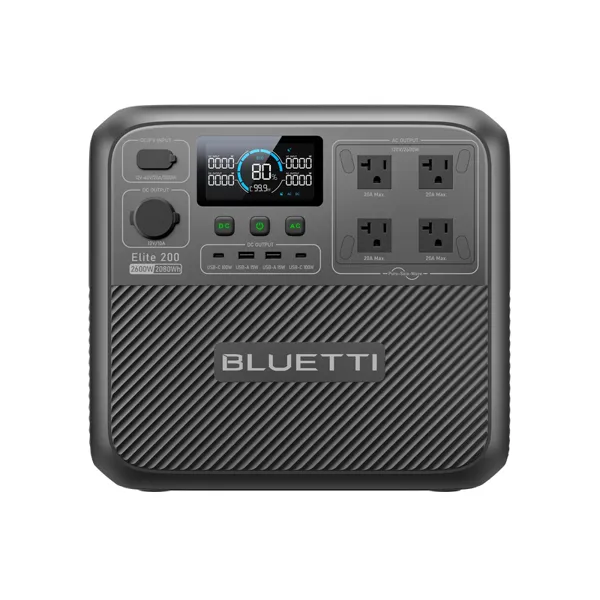
BLUETTI Elite 200 V2
Enough capacity to keep a refrigerator, furnace blower or sump pump going through a long night.
2,080Wh LiFePO4 battery · 2,600W output, 3,900W lifting mode
See it at BLUETTI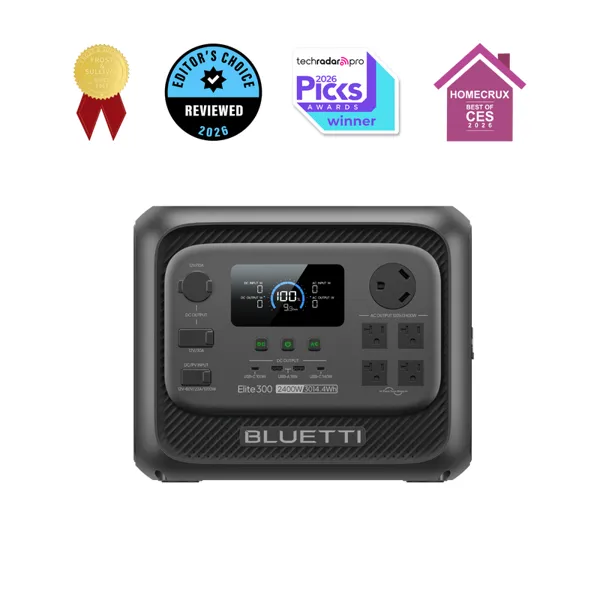
BLUETTI Elite 300
3kWh in a 2kWh size. Runs the fridge, lights, furnace blower and phones through a full day and night.
3,014Wh LiFePO4 battery · 2,400W output, 4,800W lifting mode
See it at BLUETTISunbeam Heated Throw
Heats the person, not the room, which is the most efficient way to stay warm on battery.
Check price on AmazonMr. Heater 18,000 BTU Big Buddy PRO
Propane heater rated for indoor use, with low-oxygen and tip-over shutoff. Pair it with a CO alarm and crack a window.
Check price on AmazonKidde Battery Carbon Monoxide Alarm
Battery CO alarm that keeps working when the power is out. One per sleeping area.
Check price on AmazonColeman Heritage Big and Tall 10°F Sleeping Bag
Warm, roomy bag for sleeping in the one heated room.
Check price on AmazonPrimacare Emergency Mylar Blankets, 10 pack
Reflective blankets for a window, a sleeping bag liner or the car kit.
Check price on AmazonGovee WiFi Thermometer with Alerts
Get a phone alert if the house or crawl space drops toward freezing.
Check price on AmazonSources
FAQ
How can I heat my house without electricity safely?
Run a gas furnace blower from a power station through a transfer switch, or use an indoor-rated propane heater with a battery CO alarm and ventilation. Never use ovens, grills or generators indoors.
How long does a house stay warm without power?
It depends on insulation and outdoor temperature. A tight house may lose only a few degrees in several hours; a drafty house can drop into the 40s overnight in severe cold.
Can I use a power station to run a space heater?
Briefly. A 1,500W heater drains a 2kWh station in about an hour. A heated throw is a much better use of the battery.