Quick answer
Usually, yes. A gas furnace needs electricity only for the blower motor, igniter and controls, typically 300 to 800 watts while the blower runs. In cold weather the blower might run 30 to 50% of the time, so a 2kWh station like the Elite 200 V2 can keep a house heated for roughly 6 to 12 hours. Most furnaces are hard-wired, so have an electrician add a transfer switch or inlet.
How many watts does a furnace blower use?
Look at the furnace nameplate (inside the blower door) for the blower motor's amps, then multiply by 120 to get approximate running watts. Typical ranges:
| Furnace type | Typical running watts | Notes |
|---|---|---|
| Older PSC blower motor, 1/3 HP | 400 to 600W | Common in furnaces older than about 15 years |
| PSC blower, 1/2 HP or larger | 600 to 900W | Larger homes |
| ECM variable speed blower | 100 to 500W at partial speed | Much lower draw at low speed |
| Hot surface igniter at startup | 300 to 600W for under a minute | Brief, then stops |
Runtime when the blower cycles
In cold weather a furnace might run 15 to 30 minutes per hour. That duty cycle is what makes battery heat possible.
| Load (typical watts) | Elite 200 V2 (2,080Wh) | AC200L (2,048Wh) | Elite 300 (3,014Wh) | Apex 300 (2,765Wh) |
|---|---|---|---|---|
| 500W blower at 30% duty (150W) | 12 hr | 12 hr | 17 hr | 16 hr |
| 500W blower at 50% duty (250W) | 7.1 hr | 7.0 hr | 10 hr | 9.4 hr |
| 800W blower at 50% duty (400W) | 4.4 hr | 4.4 hr | 6.4 hr | 5.9 hr |
Lower the thermostat to 60 to 62°F during an outage, close off unused rooms, and the battery lasts noticeably longer. Add a 350W solar panel or recharge from an inverter generator during the day to keep going for days.
How to connect it safely
- Never backfeed. Do not plug a "suicide cord" into a wall outlet to power the house. It can electrocute line workers and start fires.
- Ask an electrician about a furnace transfer switch or inlet. Many furnaces are hard-wired with a service switch. An electrician can install a single-circuit transfer switch or replace the hard wire with a cord and plug where code allows, so you can move it from the wall to the station in seconds.
- Watch grounding. Some furnace control boards are sensitive to how neutral and ground are bonded and will not light without it. Your electrician can check this when installing the switch.
- Bigger homes: a home battery like the Apex 300 or AC300 + B300 connects through a transfer switch or panel kit to cover several circuits, not just the furnace.
For whole-home winter backup
BLUETTI Apex 300
3,840W output, 120V and 240V, and expandable capacity. Wired in by an electrician, it can cover the furnace, fridge and a well pump.
See it at BLUETTIClear the exhaust vents
After a snowstorm, clear snow from your furnace and water heater exhaust and intake vents outside. CPSC warns that blocked vents can push carbon monoxide back into the house. Keep battery CO alarms on every level.
Furnace backup checklist
- Read the blower motor amps on the furnace nameplate
- Have an electrician install a transfer switch or approved inlet before winter
- Test the furnace on the power station on a mild day
- Set the thermostat to 60 to 62°F during outages
- Clear snow from furnace intake and exhaust vents
- Keep battery CO alarms on every level
Our picks for this outage
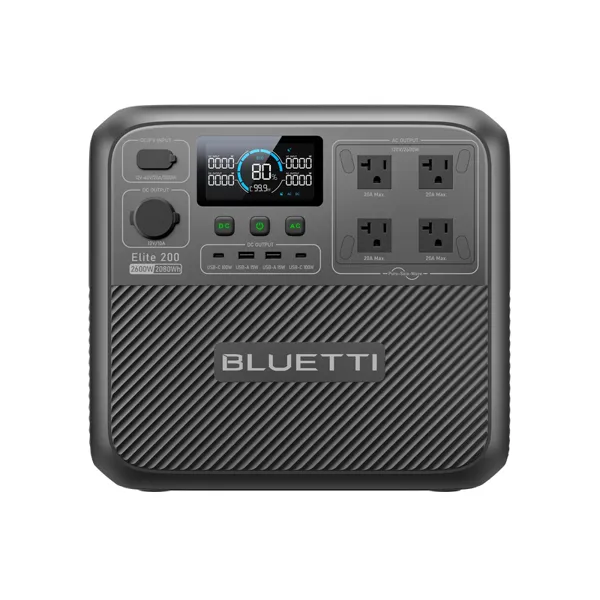
BLUETTI Elite 200 V2
Enough capacity to keep a refrigerator, furnace blower or sump pump going through a long night.
2,080Wh LiFePO4 battery · 2,600W output, 3,900W lifting mode
See it at BLUETTI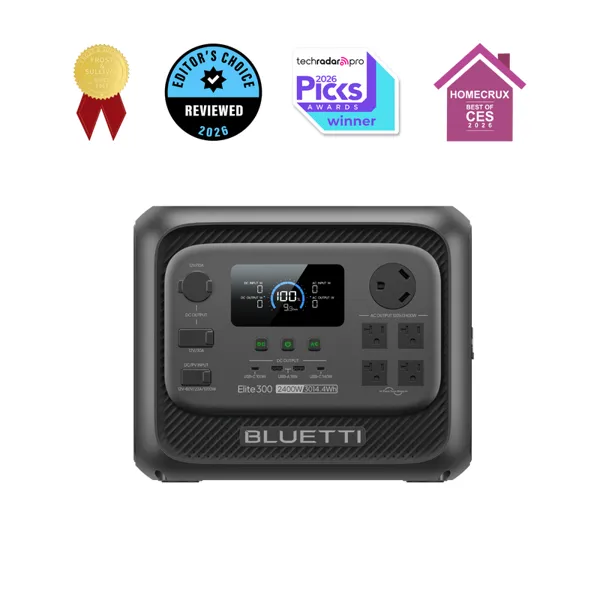
BLUETTI Elite 300
3kWh in a 2kWh size. Runs the fridge, lights, furnace blower and phones through a full day and night.
3,014Wh LiFePO4 battery · 2,400W output, 4,800W lifting mode
See it at BLUETTI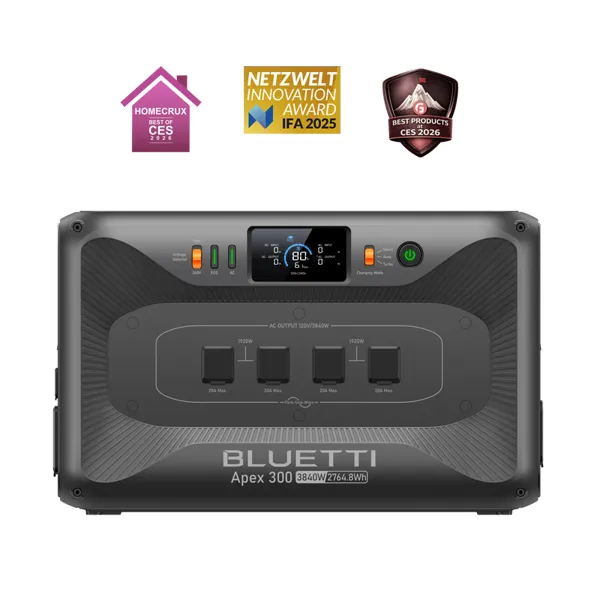
BLUETTI Apex 300
Home backup that grows with you, including 240V loads like a well pump when it is wired in by an electrician.
2,764.8Wh LiFePO4, expandable · 3,840W output, 120V and 240V
See it at BLUETTI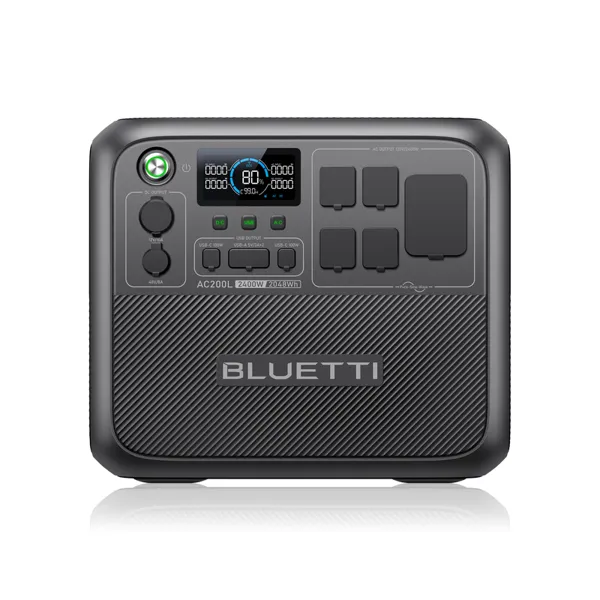
BLUETTI AC200L
A 2kWh station you can grow later with expansion batteries as your outage plan gets bigger.
2,048Wh LiFePO4 battery · 2,400W output, 3,600W surge
See it at BLUETTI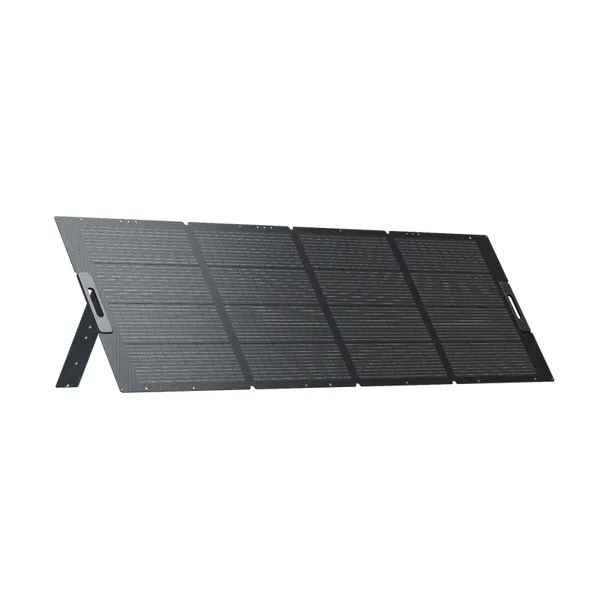
BLUETTI 350W Solar Panel
Refills a power station on sunny days between storms, which matters when restoration takes days.
350W folding solar panel · Recharges a BLUETTI station when the grid stays down
See it at BLUETTIKidde Battery Carbon Monoxide Alarm
Battery CO alarm that keeps working when the power is out. One per sleeping area.
Check price on AmazonGovee WiFi Thermometer with Alerts
Get a phone alert if the house or crawl space drops toward freezing.
Check price on AmazonSources
FAQ
How long will a power station run a gas furnace?
Roughly 6 to 12 hours on a 2kWh station for a typical blower cycling in cold weather, and longer on a 3kWh station. It depends on blower watts and how often it runs.
Can I plug my furnace into a power station?
Only if it has a cord and plug or a transfer switch. Most furnaces are hard-wired, so an electrician should add a transfer switch or inlet. Never backfeed through a wall outlet.
What size power station do I need for a furnace?
At least 1,500W of continuous output for most blowers and 2kWh or more of capacity for a useful overnight runtime.
Will a power station run an electric furnace or heat pump?
Generally no. Electric furnaces and heat pumps draw several thousand watts, often at 240V. That requires a large home battery system or a generator sized by an electrician.