Quick answer
A 1/3 HP sump pump uses about 800 watts while running and surges higher at startup. If it runs 10 minutes per hour, a 2kWh station like the Elite 200 V2 keeps it going about 13 hours. In heavy rain or snowmelt, when it runs half the time, expect 4 to 5 hours, so add solar or a generator recharge for long storms.
Sump pump power at a glance
| Pump size | Running watts (typical) | Startup surge |
|---|---|---|
| 1/4 HP | about 600W | 2 to 3 times running |
| 1/3 HP | about 800W | 2 to 3 times running |
| 1/2 HP | about 1,000 to 1,100W | 2 to 3 times running |
Pick a station whose continuous output is above the pump's running watts with room to spare for startup. A lifting or power-boost mode only helps heating devices, not motors, so rely on the continuous and surge ratings.
Runtime by how hard the pump works
| Load (typical watts) | Elite 200 V2 (2,080Wh) | AC200L (2,048Wh) | Elite 300 (3,014Wh) |
|---|---|---|---|
| 1/3 HP, 10 min per hour (133W) | 13 hr | 13 hr | 19 hr |
| 1/3 HP, 20 min per hour (267W) | 6.6 hr | 6.5 hr | 9.6 hr |
| 1/3 HP, 30 min per hour (400W) | 4.4 hr | 4.4 hr | 6.4 hr |
| 1/2 HP, 30 min per hour (525W) | 3.4 hr | 3.3 hr | 4.9 hr |
Time your pump during the next heavy rain: count how many minutes per hour it runs. That one number tells you how big a battery you need.
Set it up before the storm
- Most sump pumps plug into a nearby outlet, so you can move the plug to the station. Use a station with UPS (pass-through) mode and leave it connected during storm season so it takes over automatically.
- Keep the station off the basement floor, above any possible water line.
- Test the float switch by pouring a bucket of water into the pit.
- For multi-day storms, add a generator recharge plan or solar.
Expandable option
BLUETTI AC200L
2,048Wh with a 3,600W surge rating for pump motors, and it expands to 7.6kWh with add-on batteries for long storm seasons.
See it at BLUETTISump pump backup checklist
- Read the pump's amps or HP
- Time the pump in heavy rain (minutes per hour)
- Choose a station with enough surge for motor startup
- Mount the station above the floor
- Test the float switch
- Keep a wet/dry vac ready for overflow
Our picks for this outage
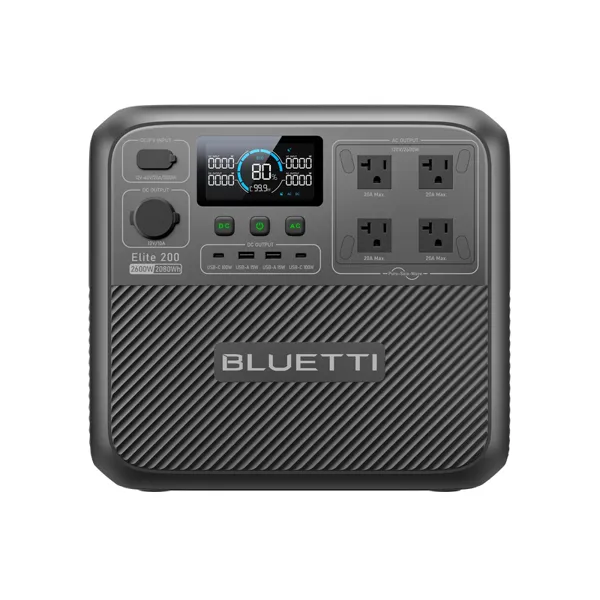
BLUETTI Elite 200 V2
Enough capacity to keep a refrigerator, furnace blower or sump pump going through a long night.
2,080Wh LiFePO4 battery · 2,600W output, 3,900W lifting mode
See it at BLUETTI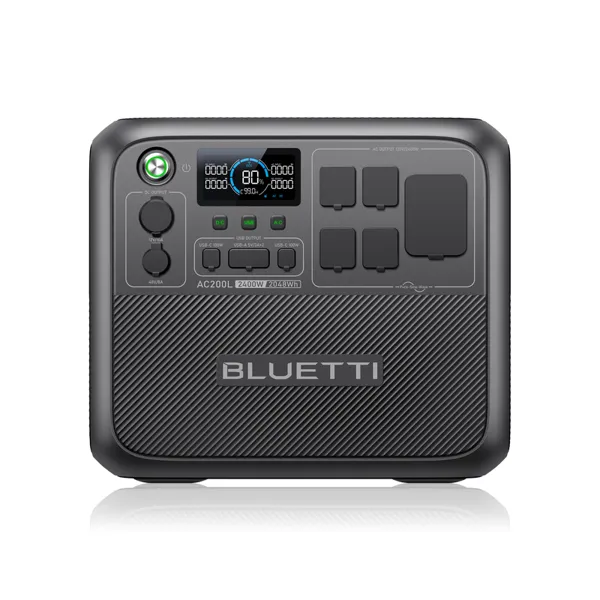
BLUETTI AC200L
A 2kWh station you can grow later with expansion batteries as your outage plan gets bigger.
2,048Wh LiFePO4 battery · 2,400W output, 3,600W surge
See it at BLUETTI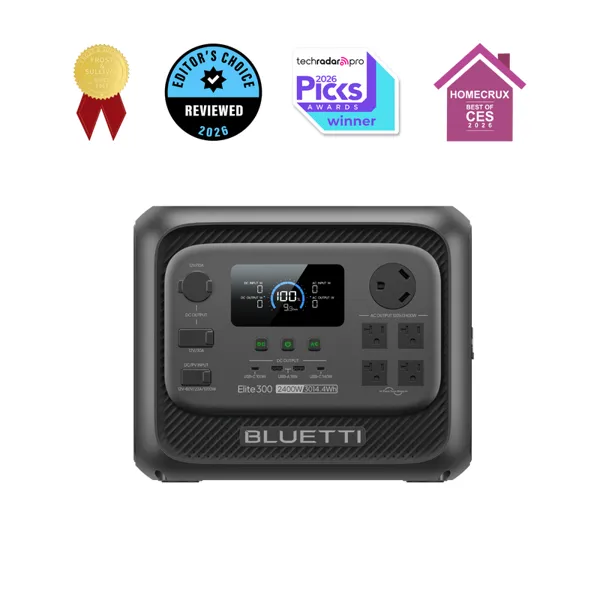
BLUETTI Elite 300
3kWh in a 2kWh size. Runs the fridge, lights, furnace blower and phones through a full day and night.
3,014Wh LiFePO4 battery · 2,400W output, 4,800W lifting mode
See it at BLUETTI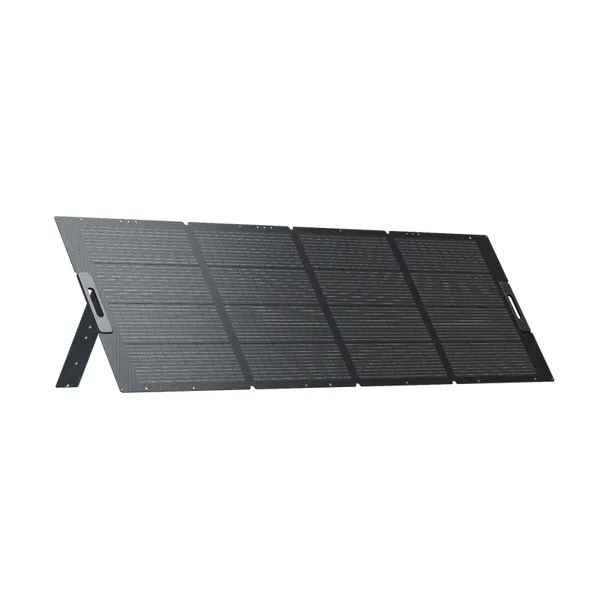
BLUETTI 350W Solar Panel
Refills a power station on sunny days between storms, which matters when restoration takes days.
350W folding solar panel · Recharges a BLUETTI station when the grid stays down
See it at BLUETTIShop-Vac 5 Gallon Wet/Dry Vac
Pull water out fast after a storm. Runs on a large power station.
Check price on AmazonQuick Dam Flood Barrier, 10 ft
Water-activated barrier for a garage or doorway in an atmospheric river.
Check price on AmazonSources
FAQ
Can a 1000W power station run a sump pump?
It can run many 1/4 to 1/3 HP pumps if its surge rating covers startup, but capacity limits runtime. A 2kWh station is a better match for storms.
How long will a 2000Wh battery run a sump pump?
About 13 hours for a 1/3 HP pump running 10 minutes per hour, or about 4 hours if it runs half of every hour.
Is a battery backup sump pump better than a power station?
A dedicated backup pump is a good second pump. A power station runs your main pump and also powers the fridge, lights and phones, which makes it more useful across all outages.